Modern Approaches to Irrigation System Installation for Reliable Watering
Exploring the Most Usual Issues in Lawn Sprinkler Equipments and Their Fixes
Lawn sprinkler systems are vital for preserving healthy and balanced landscapes, yet they typically come across various troubles. Typical problems consist of clogged up nozzles, damaged pipes, and unequal watering patterns. Each of these can markedly influence system efficiency and water efficiency. Comprehending these issues and their remedies is vital for any type of property proprietor. The complying with sections will detail common challenges and the required repairs to keep an automatic sprinkler working at its finest. What follows may amaze those unprepared for maintenance realities.
Clogged Nozzles and Lawn Sprinkler Heads
Clogged nozzles and lawn sprinkler heads prevail problems that can considerably hinder the efficiency of a lawn sprinkler. Over time, debris such as algae, dirt, and mineral accumulation can gather, obstructing water circulation and causing uneven protection in the yard or yard. This can lead to certain areas getting not enough water, while others might become over-saturated.
Routine upkeep is important to stop these blockages. Routine checks can identify any type of clogs, and cleansing can often be accomplished with straightforward devices like a tiny brush or a toothpick. In some situations, soaking blocked parts in vinegar can help dissolve natural resource.
For serious clogs, replacement of the nozzle or head might be essential to recover proper function. Addressing these issues without delay ensures that the automatic sprinkler operates successfully, enhancing and preserving a healthy landscape water usage.
Broken Pipes and Leaks
Busted pipes and leaks can greatly disrupt the capability of a lawn sprinkler. Determining pipe damage very early is necessary to protect against further problems, and understanding repair service methods can streamline the process. Furthermore, carrying out preventative upkeep tips can aid ensure the long life of the system and lower the chance of future issues.
Identifying Pipe Damages
How can home owners properly identify pipeline damages in their lawn sprinkler systems? To start, they must on a regular basis check their yards for uncommon wet places or merging water, which might suggest a leakage. Additionally, property owners can monitor their water costs for unusual rises, suggesting hidden leakages within the system. Observing the sprinkler heads for uneven spray patterns or insufficient coverage can also signal possible pipe concerns. In addition, paying attention for uncommon sounds, such as hissing or gurgling, may show air getting away from damaged pipes. Lastly, carrying out aesthetic assessments of revealed pipelines for fractures or deterioration can aid pinpoint problems. By employing these approaches, homeowners can proactively attend to and detect pipe damage in their lawn sprinkler before it brings about much more considerable concerns.
Repair Service Techniques Introduction
Attending to pipe damages in a sprinkler system calls for a systematic approach to fixings, specifically when taking care of breaks and leaks. The initial step commonly entails situating the broken area, which can be achieved with aesthetic evaluation or pressure screening. As soon as determined, the fixing technique might vary; for small leakages, using pipe sealer or epoxy can efficiently seal the afflicted area. In instances of substantial breaks, removing the harmed pipe section and changing it with new piping, safeguarded with proper adapters, is suggested. Furthermore, ensuring proper placement and protecting joints will certainly aid protect against future concerns. After repair work, extensive screening of the system is important to verify that leakages have been settled which the system operates properly.
Preventative Upkeep Tips
To minimize the danger of broken pipelines and leakages in a sprinkler system, normal preventative maintenance is crucial. House owners should consistently evaluate the system for visible damage, ensuring that fittings and pipelines are undamaged. Seasonal adjustments are important; before winter, systems should be drained pipes to avoid cold, while springtime checks can determine wear from frost or shifting soil. Additionally, keeping the area around sprinkler heads free from debris aids stay clear of clogs that could cause leaks. Consistently testing water pressure can expose underlying issues, as extreme stress might stress pipes. Ultimately, recording upkeep tasks can aid track efficiency and determine persisting problems, making it easier to deal with any type of issues proactively.
Irregular Watering Patterns
Irregular watering patterns can bring about stressed out plants and irregular grass, stemming from numerous causes such as blocked nozzles or misaligned sprinkler heads. Recognizing these problems is vital for efficient repair and ensuring regular water circulation throughout the landscape. Solutions might include simple maintenance jobs or changes to the lawn sprinkler system for excellent efficiency.
Root Causes Of Unequal Watering
When a sprinkler system falls short to distribute water evenly throughout a lawn, a number of factors may add to this concern. One typical reason is inappropriate sprinkler head positioning, which can result in overlapping or insufficient insurance coverage. Furthermore, stopped up nozzles can restrict water circulation, causing completely dry spots. Variants in water pressure can additionally impact circulation, as some areas may obtain a lot more water than others. In addition, uneven surface or dirt compaction can impact how water passes through the ground, leading to unequal absorption. The age of the lawn sprinkler parts may result in diminished performance, contributing to inconsistent watering patterns. Identifying these causes is vital for preserving an efficient automatic sprinkler and guaranteeing a healthy lawn.
Solutions for Fixing Issues
Resolving unequal watering patterns needs a methodical strategy to determine and rectify underlying concerns. Examining lawn sprinkler heads for obstructions or damages is crucial; cleansing or replacing them can enhance water distribution. Next, changing the automatic sprinkler's pressure setups may assist attain a much more uniform spray. Additionally, assessing the design of the sprinklers can reveal areas that need rearranging to assure protection consistency. Looking for leakages in fittings or pipelines is important, as leakages can result in uneven watering. Finally, programming the timer to suit various zones based upon plant demands can improve overall effectiveness. By executing these solutions, one can effectively restore well balanced watering patterns within the landscape.
Timer and Control Problems
A well-functioning timer is critical for peak sprinkler system performance, several house owners encounter concerns that disrupt their irrigation routines. Common troubles include damaged programs, where timers may not show the intended watering times, bring about over- or under-watering. Furthermore, power blackouts can reset timers, triggering them to revert to skip setups and ignoring the customized routines homeowners depend upon. Malfunctions can likewise stem from out-of-date technology; older timers may do not have the functions essential for maximum control, such as rainfall sensors or clever technology assimilation. Additionally, wiring problems can protect against signals from reaching the shutoffs, rendering the system unusable. Normal maintenance and prompt updates can help relieve these problems. Homeowners must consider consulting experts for troubleshooting to ensure their timers run efficiently and successfully, as appropriate control is crucial for keeping a healthy landscape and preserving water resources
Lawn Sprinkler Pressure Problems
Exactly how can poor water pressure effect a lawn sprinkler's performance? Insufficient water stress can result in unequal water circulation, causing dry patches and overwatered areas. This inconsistency jeopardizes the general health and wellness of the landscape, as plants may struggle with either drought tension or root rot. Low pressure can likewise impede the operation of sprinkler heads, avoiding them from reaching their designated range and coverage.
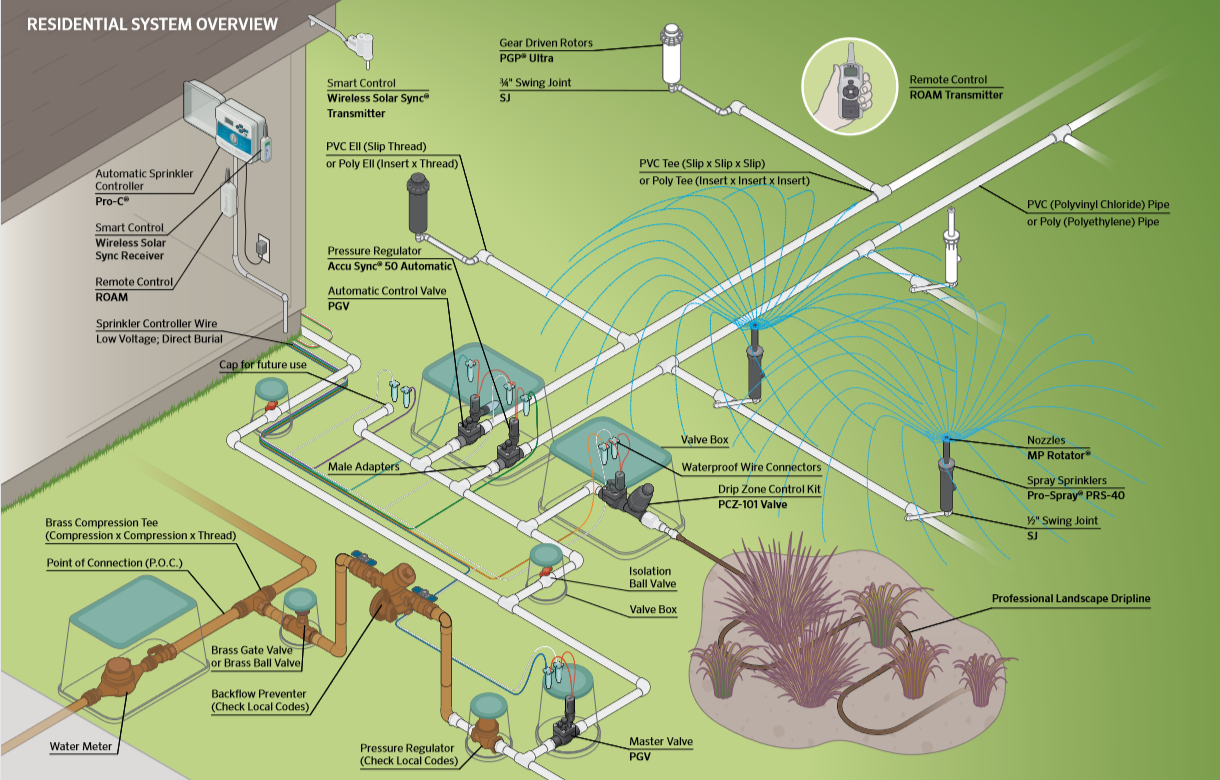 Alternatively, extreme stress can trigger damage to the system, causing leakages or damaged components. Ruptured pipelines and malfunctioning sprinkler heads might occur, incurring pricey repair work. Recognizing the source of stress issues is necessary; common perpetrators consist of clogged filters, malfunctioning valves, or also municipal supply issues. Normal system checks can help preserve appropriate pressure, guaranteeing a reliable and effective lawn sprinkler system. Correct pressure administration is critical for peak performance and longevity of the irrigation system.
Seasonal Maintenance Tips
As the periods adjustment, implementing routine maintenance for a lawn sprinkler system comes to be vital to guarantee peak performance and longevity. House owners must start by examining the system prior to the start of each period. In the springtime, check for any winter damages, clean the nozzles, and readjust the spray patterns to fit new growth. During the summertime, validate that all areas are operating effectively, monitoring for any completely dry places or overwatering. In the loss, it is essential to prepare the system for winter by draining the lines, burning out the pipelines, and shielding any type of subjected elements. Finally, an extensive evaluation in the winter season can help recognize possible problems that may arise in the springtime. Routine maintenance not just lengthens the life of the automatic sprinkler however also advertises a healthy and balanced landscape, lowering water waste and making certain a reliable watering process throughout the year.
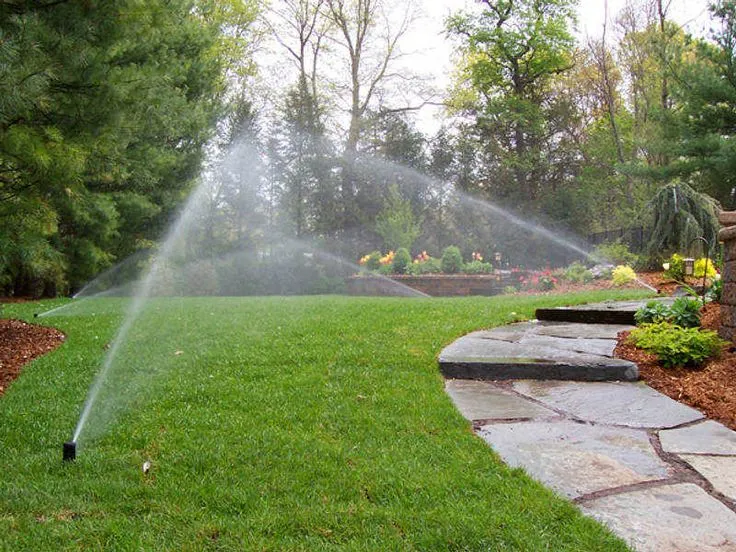
Troubleshooting Typical Lawn Sprinkler Issues
What steps should house owners take when encountered with common sprinkler problems? Initially, they need to observe the system for visible signs of malfunction, such as busted heads or damp spots, suggesting leakages. Next off, inspecting the timer setups and validating the system is set appropriately is crucial, as improperly set timers can result in overwatering or underwatering. Property owners ought to likewise examine the valves for obstructions and verify they open and close correctly.
If the system shows low water pressure, it may be due to a clogged filter or a malfunctioning pump, demanding thorough cleansing. In addition, home owners must confirm that the irrigation zones are functioning separately and not overlapping, which can drainage. If issues linger, getting in touch with a specialist may be required to diagnose and settle even more complicated problems, validating the lawn sprinkler operates efficiently and properly.
Regularly Asked Concerns
How Often Should I Check My Sprinkler System?
An automatic sprinkler need to be checked a minimum of two times a year, ideally in springtime and autumn. Regular checks aid determine leakages, clogs, and various other problems, guaranteeing optimal performance and water performance throughout the seasons.
Can I Mount an Automatic Sprinkler Myself?
Yes, an individual can set up a lawn sprinkler themselves, given they have the required devices, understanding, and abilities. It is advisable to seek advice from local guidelines and standards to guarantee appropriate installment and compliance.
What Is the Typical Lifespan of a Sprinkler System?
The ordinary life-span of an automatic sprinkler normally ranges from 10 to twenty years, relying on the top quality of materials, maintenance methods, and ecological conditions, which can significantly influence its longevity and overall performance. irrigation system installation.
Exist Eco-Friendly Options for Sprinkler Systems?
Environment-friendly alternatives for lawn sprinkler include drip irrigation, rain sensing units, and clever controllers. These modern technologies conserve water, reduce runoff, and promote effective watering, making them lasting choices for environmentally aware home owners seeking reliable irrigation solutions.
How Do Climate Condition Influence Sprinkler Efficiency?
Weather greatly affect sprinkler efficiency; as an example, extreme warm can bring about dissipation, while heavy rainfall may trigger oversaturation. In addition, wind can interrupt water circulation, causing ineffective watering and unequal protection across landscapes.
Clogged nozzles and lawn sprinkler heads are usual concerns that can considerably impede the performance of a sprinkler system. When a lawn sprinkler system stops working to distribute water evenly throughout a yard, a number of elements might add to this problem. A well-functioning timer is essential for peak sprinkler system efficiency, lots of property owners encounter concerns that interrupt their irrigation timetables. Just how can insufficient water stress influence a sprinkler system's effectiveness? Normal system checks can assist maintain irrigation system installation correct pressure, ensuring a reliable and efficient sprinkler system.